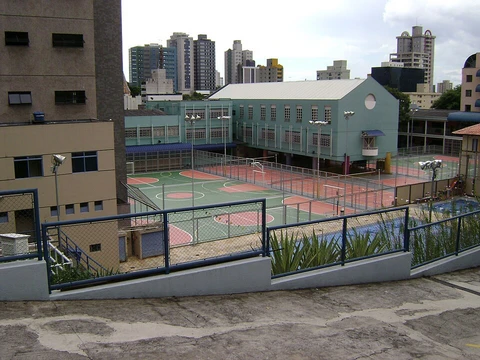
Roller skating
A recreational activity and sport with fluctuating popularity since the 18th century.

Roller skating is the act of travelling on surfaces with roller skates. It is a recreational activity, a sport, and a form of transportation. Originating in the performing arts in 18th-century Europe, it gained widespread popularity starting in the 1880s and has experienced several booms, including the Golden Age from the 1930s to the 1950s and the roller disco era of the 1970s. Roller skating has often been a part of Black and LGBT history in particular.
- field
- Recreational activity, sport, transportation
- known_for
- Multiple popularity booms; association with disco, Black and LGBT history; quad and inline skate designs
Lore & Background
The earliest known roller skates date to 18th-century Europe, used in theater and musical performances, possibly to simulate ice skating onstage. Early skates were difficult to turn, limiting use to straight-line movement. In the 1840s, waitresses in a Berlin beer hall used roller skates to serve customers, and ballet and opera of the late 1840s featured roller skating, helping it become popular in 1850s Europe. The quad skate, designed by James Leonard Plimpton, allowed easier turns and dominated the industry for over a century.
Reader's Guide
Roller skating's significance lies in its recurring cultural impact and accessibility. From its origins as a stage prop, it became a mass phenomenon in the 1880s with mass production and rinks in Europe, North and South America, and Australia. The Golden Age (1930s–1950s) saw many rinks built in the United States, often with electric organ music. The 1970s roller disco era, rooted in Black and gay skaters, linked skating to disco music. In the 1990s, inline outdoor skating became popular. Roller skating has long been tied to Black American social movements, immigrant communities, and the LGBT community, particularly women in roller derby. Its legacy includes specialized sports like speed skating, roller hockey, roller derby, figure skating, and aggressive inline skating. The COVID-19 pandemic caused a resurgence in the early 2020s, leading to worldwide skate shortages.
Did You Know?
- The earliest known roller skates were used in 18th-century European theater performances.
- Roller skating was very popular in the United States from the 1930s to the 1950s, known as the Golden Age of Roller Skating.
- During the COVID-19 pandemic, roller skates were in short supply worldwide.
Frequently Asked Questions
What is roller skating?
Roller skating is the practice of moving across a surface while wearing roller skates. It serves as a recreational pastime, a competitive sport, and a practical mode of transportation.
When did roller skating originate and first become widely popular?
The activity traces its origins to 18th-century European performing arts. Its first broad surge in public interest came in the 1880s, after which it has cycled through repeated waves of enthusiasm over the centuries.
What are the two main types of roller skate designs?
The two primary configurations are quad skates, which place two wheels at the front and two at the back, and inline skates, which line up the wheels in a single row along the sole.
How has roller skating been tied to cultural and social movements?
The sport has played a meaningful role in Black and LGBTQ+ community history. It also became a defining feature of the 1970s roller disco phenomenon, embedding it firmly in popular culture.
What was the Golden Age of roller skating?
The Golden Age spans roughly the 1930s through the 1950s, a period of sustained mainstream enthusiasm for the activity. It represents one of several distinct popularity booms the sport has experienced since its 18th-century roots.
More in Sports And Athletics 25-36
Elsewhere in the Sports And Athletics universe
Spotted an error? Know more?
This is a living reference — every entry is fact-audited, and reader corrections feed straight into our audit queue. Suggest an edit · See this site's audit record